Sea turtle nesting season: what guests should know
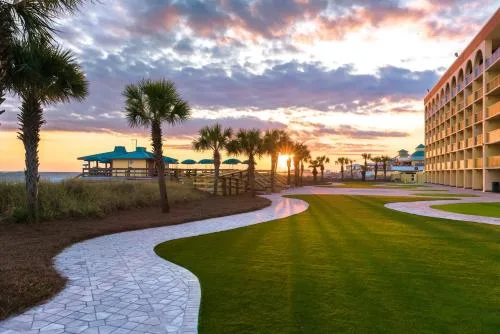
Sea turtle nesting on Okaloosa Island runs from May through October. Guests at The Island Resort at Fort Walton Beach should avoid bright lights on the beach at night, keep distance from nests and hatchlings, and follow local signage and staff instructions to protect nesting turtles.
In this guide
- When is nesting season and what it means on-site
- Beach lighting, flash photography and why darkness matters
- How to observe nesting or hatchlings responsibly
- Practical tips for guests staying at the resort
- Resort rules, local regulations and reporting
- Where to learn more and nearby places related to sea turtles
When is nesting season and what it means on-site
Sea turtle nesting season on Okaloosa Island runs from May through October each year. During that window female turtles may come ashore after dark to lay eggs and hatchlings emerge several weeks later.
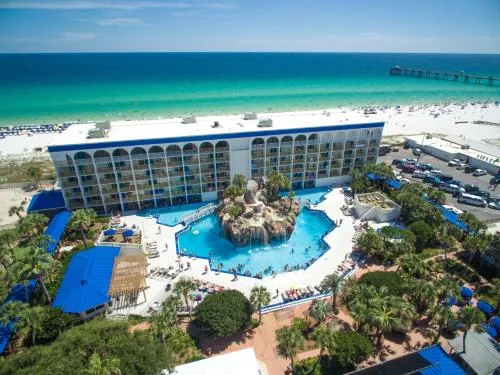
The Island Resort at Fort Walton Beach fronts roughly 600 feet of private, sugar-white sand beach where nesting activity can occur. The resort posts beach signage and includes seasonal beach rules as part of its guest information.
- Nesting season: May–October
- Resort beach: about 600 feet of private sand
- Staff and signage: watch for posted nest-protection areas and temporary closures
| Season | Typical activity |
|---|---|
| May–June | First nesting females arrive; nesting increases |
| July–September | Peak nesting and hatching months in many years |
| October | Late-season nests and final hatchlings |
Beach lighting, flash photography and why darkness matters
Sea turtles use natural light cues to find the ocean; artificial lights on the beach can disorient nesting females and hatchlings. Minimizing light is one of the most important things guests can do to help turtles.
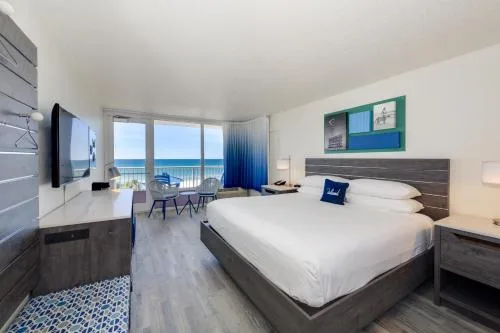
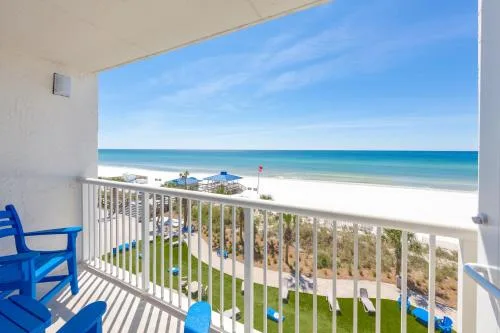
Follow resort guidance about lighting at night. That may include closing curtains in rooms that face the beach and avoiding use of flash photography or bright phone lights on the shoreline after dark.
- Close curtains or blackout shades in ocean-facing rooms after dusk.
- If you must be on the beach at night, use a red-filtered flashlight and keep it pointed at the sand.
- Never use flash photography, laser pointers, or bright spotlights toward the water.
| Action | Why it helps |
|---|---|
| Close balcony/drapery lights | Reduces disorientation of turtles and hatchlings |
| Avoid flash or bright torches | Prevents misdirection away from the sea |
| Follow posted dark-sky periods | Protects nests during peak nightly activity |
How to observe nesting or hatchlings responsibly
If you see a nesting female or a group of hatchlings, stay well back, keep quiet, and do not shine lights. Do not touch turtles, nests, or hatchlings — disturbance can harm them and is regulated in many places.
Rely on resort staff or posted notices to tell you whether a nesting event is happening and whether a viewing buffer or temporary beach closure is in effect.
- Keep at least several yards/meters away from any turtle or nest.
- Turn off or shield lights and lower phone volumes.
- Report active nesting or injured turtles to resort staff or local wildlife authorities rather than attempting to intervene yourself.
| If you see | Do this |
|---|---|
| Nesting female on the beach | Give space, remain quiet, avoid lights, inform staff |
| Hatchlings moving to water | Stay back and let them go; do not pick up or block their path |
| Marked nest or eggs visible | Respect barriers and do not disturb the area |
Practical tips for guests staying at the resort
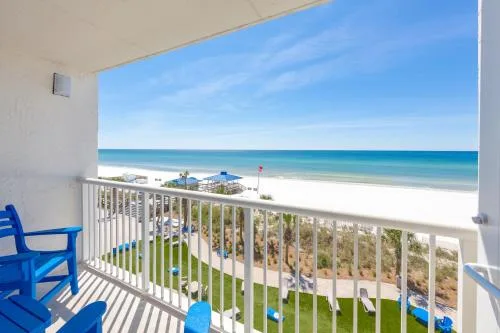
Plan room behavior with turtles in mind: guests in The Beach House, Sunrise, Sunset or Sunshine buildings with ocean or pool views should close drapes and avoid beach-facing lights after dusk. Rooms such as Standard Room, Room, Room (Gulf View) and Junior Suite types all include windows/balconies that may face the beach.
During nesting season, check the front desk or concierge for nightly beach rules, any protected nest areas, and recommended quiet hours or lighting guidance.
- Ask the concierge about active nests and safe viewing policies.
- Use interior lighting sparingly in beach-facing rooms after sunset.
- Keep balconies tidy and avoid leaving lamps or bright electronic devices pointed toward the sand.
| Room tip | Why it matters |
|---|---|
| Close balcony drapes at night | Reduces light spill onto nesting areas |
| Use resort-provided beach towels and chairs only in allowed areas | Helps staff keep nest zones clear |
| Follow posted beach closures or ropes | Protects nest sites and avoids fines or citations |
Resort rules, local regulations and reporting
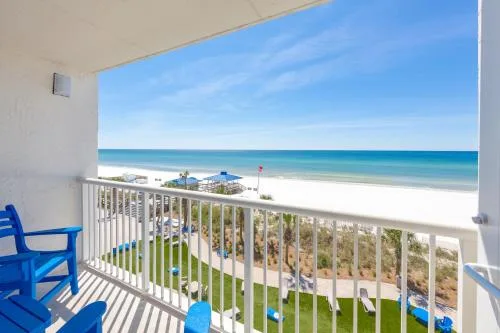
The Island Resort includes beach rules and posts temporary closures or nest-buffer zones when nesting is underway; guests should follow those directions. Local and state wildlife agencies may also have rules governing interaction with sea turtles and nests.
If you find a stranded, injured or disoriented turtle, contact resort staff immediately so they can notify appropriate wildlife responders. Do not attempt to move or treat an animal yourself.
- Follow resort signage and staff instructions for closed or roped-off areas.
- Do not dig deep holes or leave obstacles on the sand that can trap hatchlings.
- Report injured or stranded turtles to hotel staff or local wildlife authorities; staff can advise on the correct contact.
| Problem | Who to notify |
|---|---|
| Active nest with people nearby | Resort staff / beach patrol |
| Injured or stranded turtle | Resort staff / wildlife responder |
| Unmarked hatchlings moving inland | Resort staff / local wildlife authority |
Where to learn more and nearby places related to sea turtles
Gulfarium Marine Adventure Park (listed as walkable from the resort) runs marine education and sea-turtle-related programs in the area; check their visitor information for current exhibits or rehabilitation work that may be open to the public.
Resort staff and the concierge can point you to local conservation groups, seasonal volunteer beach walks, or educational resources about sea-turtle protection on Okaloosa Island.
- Ask the front desk or concierge about local turtle conservation and educational opportunities.
- Check Gulfarium programming for turtle-related exhibits or talks.
- Look for posted community beach-clean events that help protect nesting habitat.
| Local resource | What they offer |
|---|---|
| Gulfarium Marine Adventure Park | Marine exhibits and public education (check current hours) |
| Resort concierge/front desk | Current nest advisories and beach rules |
| Local conservation groups | Volunteer beach patrols and educational events |